If your glasses come out of the dishwasher spotty and your soap won't lather, you're experiencing hard water — and in Washtenaw County, both municipal supplies and the many private wells run hard. The spots are annoying, but the real cost is what hard water does to your plumbing and appliances over time. Here's the full picture.
What "hard water" actually means
Hard water is simply water with a high concentration of dissolved minerals, mainly calcium and magnesium. In rural parts of the county, well water often adds iron on top of that. These minerals are harmless to drink, but they don't stay dissolved — they precipitate out as scale wherever water is heated or sits, and that's where the damage happens.
How it wrecks your water heater
Your water heater is hard water's favorite target. Every time it heats water, minerals drop out and settle as scale on the bottom of the tank or around a tankless heat exchanger. That scale layer insulates the water from the burner or element, so the heater works harder and longer to do the same job — wasting energy and wearing out faster. It's a leading reason heaters in our area fail years before their rated life. Tankless units are especially sensitive; without treatment, they scale up and lose flow.
How it ruins fixtures and appliances
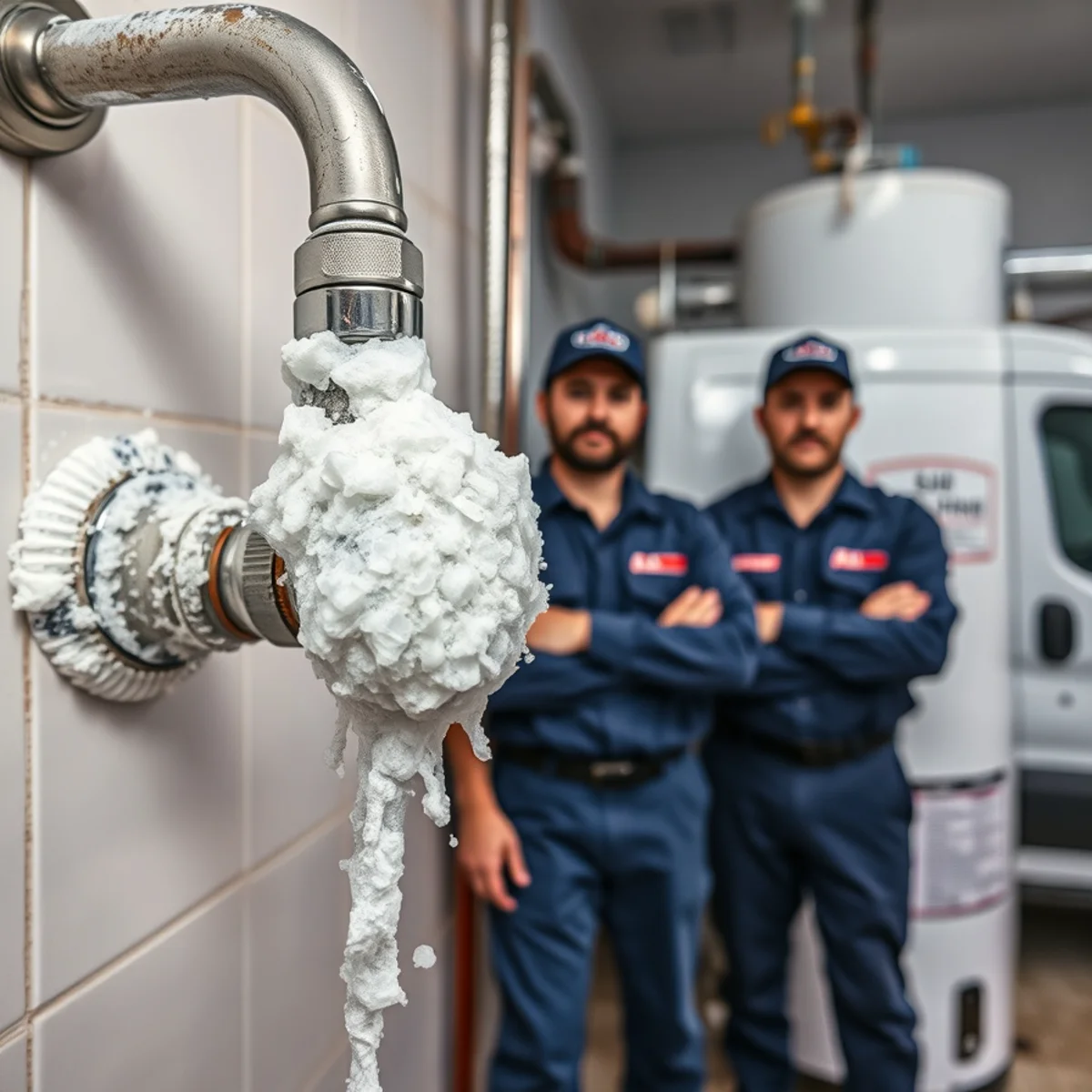
- Faucets and showerheads clog with scale, losing flow and dripping as worn cartridges fail early.
- Dishwashers and washing machines accumulate scale and wear out sooner.
- Pipes gradually narrow as scale builds on the interior walls.
- Glassware, tile, and fixtures develop cloudy, hard-to-remove mineral film.
- Iron (in well water) stains sinks, tubs, and laundry orange-brown.
Fighting hard water in your home? Call +1 (831) 290-4327 for fast, licensed help from Ypsilanti Plumbing Pros.
The solution: treat the water
The fix is a properly sized water softener, which removes the hardness minerals before they reach your plumbing. For well homes with iron, a softener paired with an iron filter clears both the hardness and the staining. The key word is properly sized — an undersized or generic softener gets overwhelmed by our water, which is why we test your specific hardness (and iron, on wells) before recommending a system. This is constant work in areas like Scio Township, where some of the region's hardest well water scales tankless units and clogs fixtures.
The payoff
Softened water isn't just about spotless glasses. It extends the life of your water heater, keeps faucets and appliances working longer, improves how soap and detergent perform (so you use less), and leaves skin and hair feeling better. For most homes on our water, a softener pays for itself over time in extended equipment life and lower energy use. If your heater is scaling up or your fixtures are constantly clogging, treating the water is the root-cause fix.
What softened water actually saves you
People often think of a softener as a comfort upgrade — no spots, better lather — but the real return is on the equipment it protects. Scale is a leading reason local water heaters fail early, and it quietly narrows pipes, wears out faucet cartridges, and shortens the life of dishwashers and washing machines. Soften the water and every one of those lasts longer, you use less soap and detergent, and your water heater holds its efficiency instead of insulating itself with sediment. For most homes on our water, a properly sized softener pays for itself over time in extended equipment life and lower energy use — which is why they're nearly standard equipment in Washtenaw County. On water this hard, it's less an upgrade than basic protection for everything downstream of the meter.
Written by Ypsilanti Plumbing Pros — licensed Michigan master plumbers (State of Michigan Master Plumber License) serving Ypsilanti & Washtenaw County. This article is general guidance, not a substitute for an on-site diagnosis; for an active leak, backup, or gas smell, call +1 (831) 290-4327. Last reviewed June 16, 2026.
Frequently Asked Questions
Yes — both municipal and well water in the area run hard, and many rural wells add iron. It's hard enough to scale water heaters and wear out faucet cartridges noticeably faster, which is why softeners are so common here.