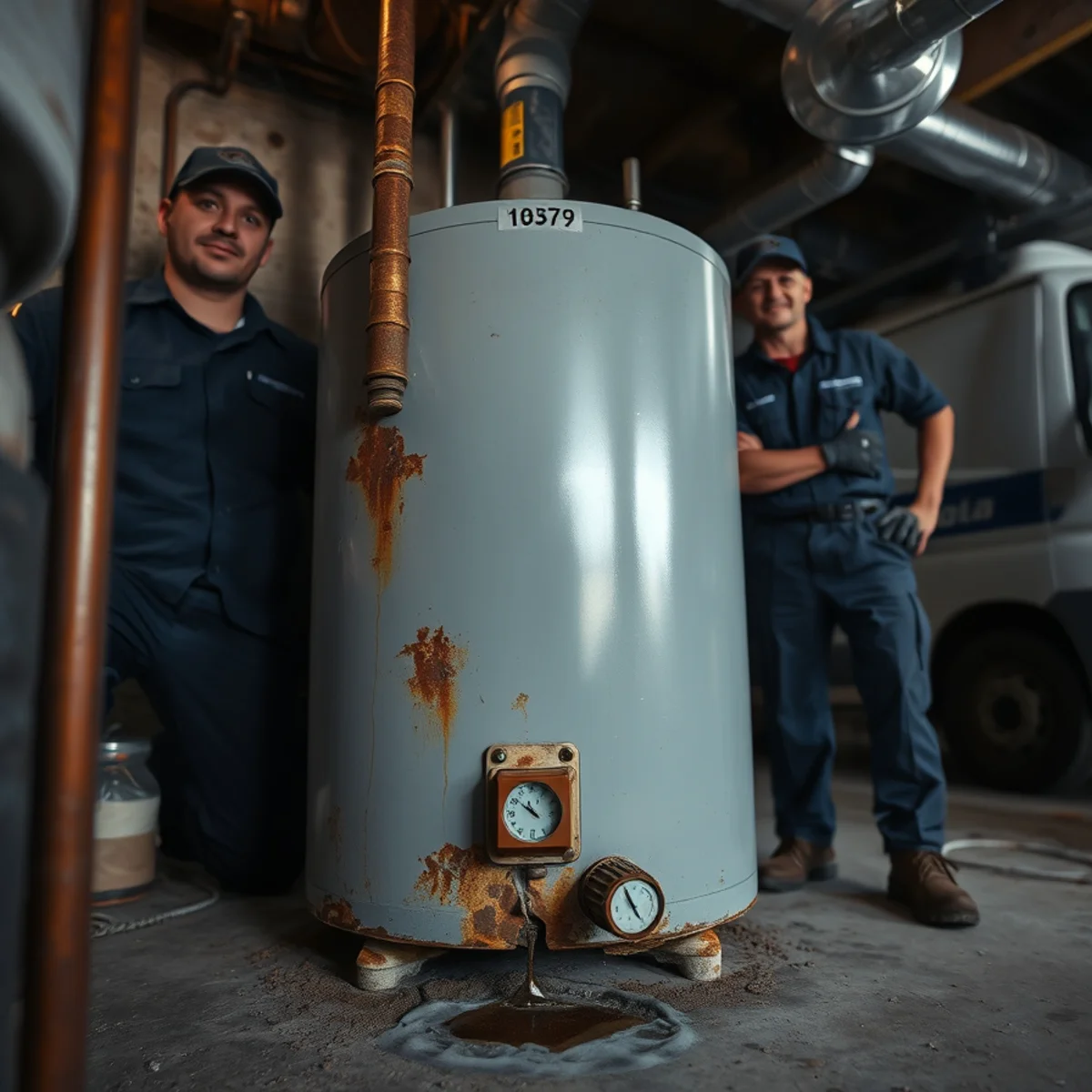
A one-time clog is normal. But if you're plunging or snaking the same drain every few weeks, the clog isn't really the problem — it's a symptom of something happening inside the pipe. In older Ypsilanti homes, there are a handful of usual suspects, and knowing which one you have determines whether you need a cleaning or a repair.
1. Scale buildup in old cast-iron
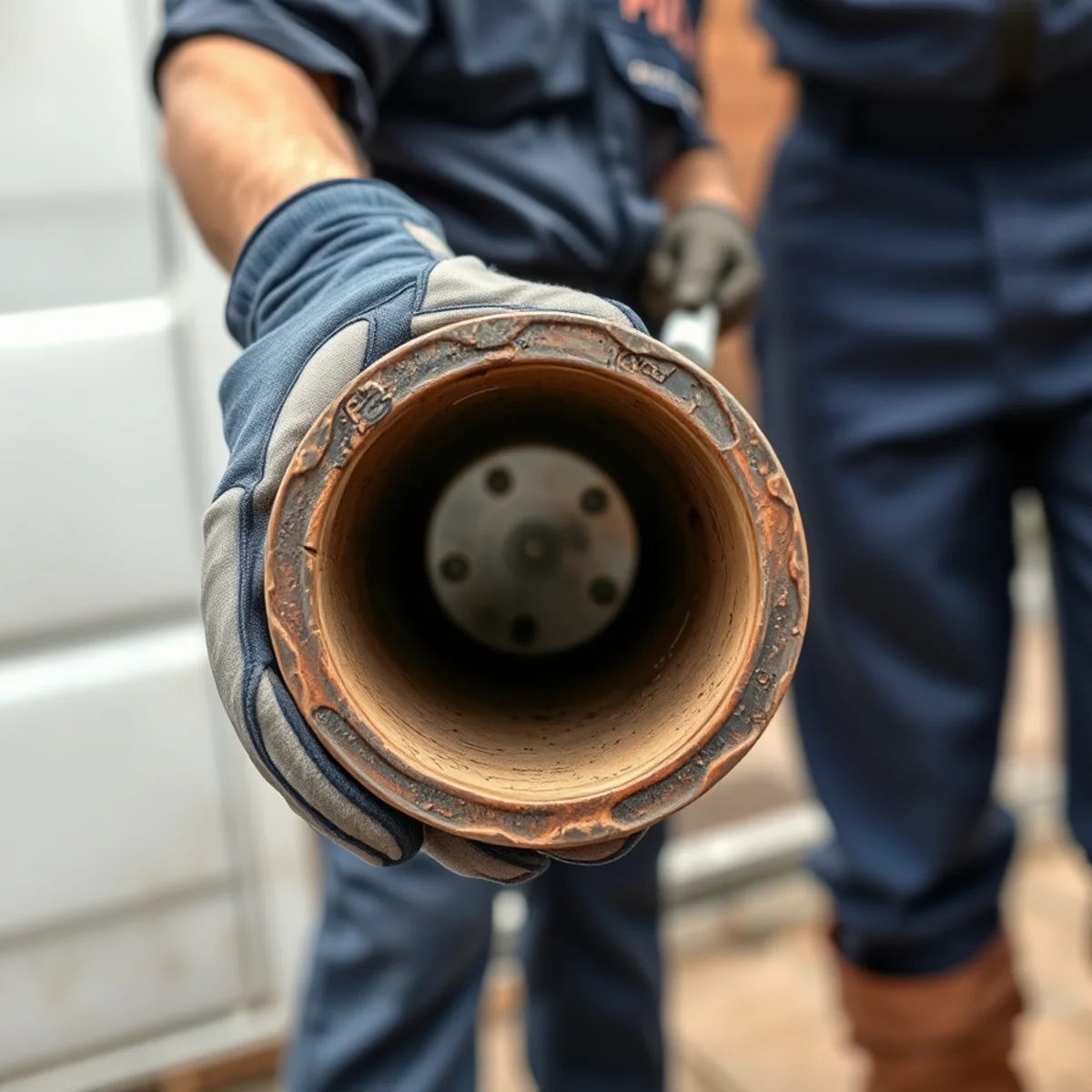
Cast-iron drain pipe was standard for decades, and it's in a lot of Ypsilanti homes. Over time, the inside of cast-iron corrodes and builds up a rough, scaly layer that narrows the pipe and snags everything that flows past. A cable snake just punches a hole through the blockage; the rough interior grabs the next thing to come along. This is why the same drain clogs again and again.
2. Tree roots in the sewer lateral
If multiple drains are slow or you get backups, roots in your clay sewer lateral are a prime suspect. Ypsilanti's mature trees send roots toward the moisture and nutrients in your sewer line, and they enter at the joints of old clay pipe. Once inside, they catch debris and grow into a dense mass. Clearing them helps temporarily, but they grow back until the pipe is repaired or lined.
3. A belly in the line
A "belly" is a section of pipe that has sagged, creating a low spot where water and waste collect instead of flowing through. Bellies form when soil settles under the pipe, and they cause recurring clogs at the same spot no matter how often you clear them. Only a camera inspection reveals a belly, and fixing it means correcting that section of pipe.
Tired of clearing the same drain? Call +1 (831) 290-4327 for fast, licensed help from Ypsilanti Plumbing Pros.
4. Grease and the wrong things down the drain
Grease poured down a kitchen drain congeals on the pipe walls and builds up over time, especially in older, rougher pipe. Combined with "flushable" wipes (which aren't), coffee grounds, and fibrous food scraps, it's a recipe for repeat clogs. Habits matter — but in an older home, the aging pipe makes the consequences worse.
The fix: diagnose, don't just clear
The reason recurring clogs are so frustrating is that most quick fixes treat the symptom. The lasting solution starts with a professional drain cleaning that includes a camera inspection when clogs recur. Seeing inside the pipe tells us whether hydro-jetting will scour it clean (great for grease and scale in sound pipe), or whether the pipe itself needs repair or lining (for roots, cracks, or a belly). We do this work throughout Ypsilanti Township and the surrounding older neighborhoods, and we show you the footage so you can decide with real information.
When to stop DIYing
If you've cleared the same drain more than twice, if multiple fixtures are affected, or if you smell sewer gas, stop reaching for the plunger and get the line looked at. Repeated chemical drain cleaners can actually damage older pipe and rarely solve a structural problem. A camera inspection is inexpensive compared to the cost of ignoring a slowly failing line until it backs up.
The habits that quietly wreck older drains
Once we've cleared the cause, keeping an older drain clear is mostly about what goes down it. Grease is the worst offender — it pours in as a liquid and congeals on the pipe wall, and in the rough interior of aging cast-iron it grabs everything that follows. "Flushable" wipes aren't; coffee grounds and fibrous scraps build up fast. On a home with old pipe, a little discipline goes a long way: scrape plates into the trash, keep grease out of the sink, and run plenty of hot water after the dishes. When a line does need help, we'd rather jet it clean than have you pour caustic chemicals that can damage old pipe and rarely clear a real blockage anyway.
Written by Ypsilanti Plumbing Pros — licensed Michigan master plumbers (State of Michigan Master Plumber License) serving Ypsilanti & Washtenaw County. This article is general guidance, not a substitute for an on-site diagnosis; for an active leak, backup, or gas smell, call +1 (831) 290-4327. Last reviewed April 7, 2026.
Frequently Asked Questions
Snaking punches through the blockage but leaves the cause — scale in old cast-iron, roots in a clay lateral, or a sagging belly. A camera inspection identifies which, so the fix actually lasts.